
Optimal Lawn Mowing Timing Tips
Understanding the optimal timing for lawn mowings can significantly impact turf health and appearance. Proper scheduling ensures healthy growth, reduces pests, and maintains a lush, even lawn throughout the seasons.
Begin mowing when grass starts growing actively, typically when it reaches about 3 inches in height. Regular mowing encourages dense growth and prevents weeds.
During warmer months, mow frequently to keep grass at a consistent height, usually around 2.5 to 3 inches. Avoid cutting more than one-third of the grass height at a time.
Reduce mowing frequency as growth slows. Keep grass slightly longer to protect roots during colder months and prevent winter damage.
In areas with mild winters, mowing may be minimal or not necessary. Avoid mowing when the ground is frozen or wet to prevent damage.
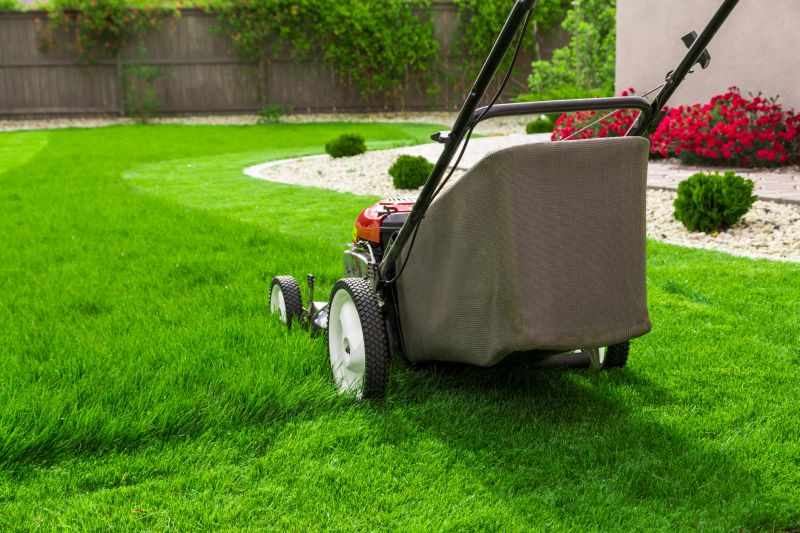
A lush, healthy spring lawn after a fresh mow.
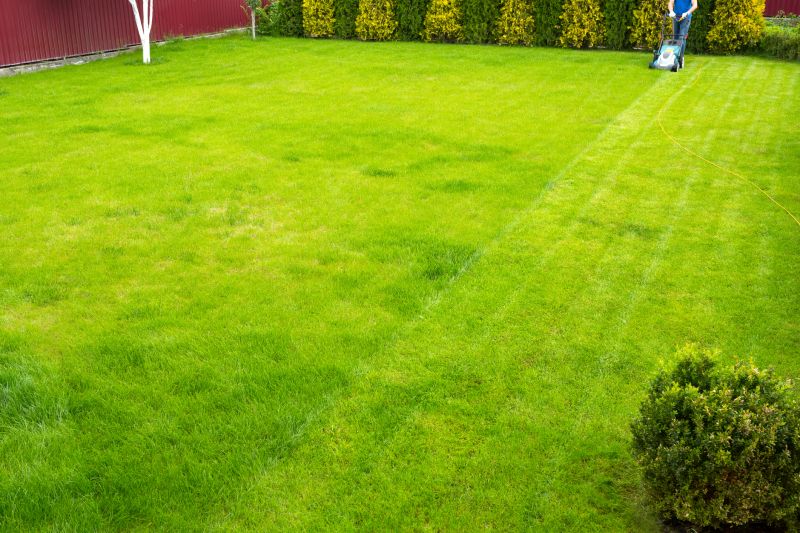
Maintaining a vibrant summer lawn with regular mowing.
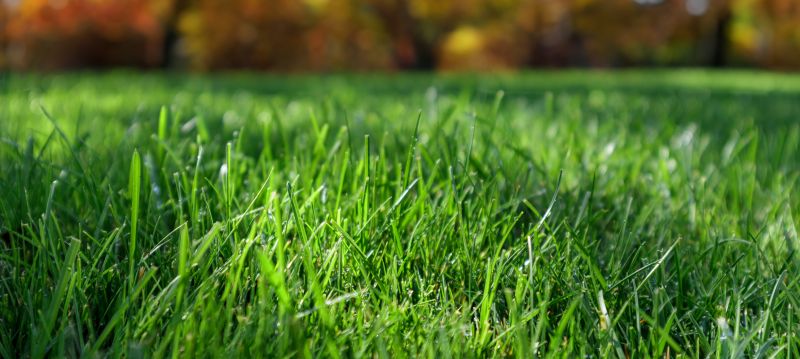
Preparing the lawn for winter with appropriate mowing height.
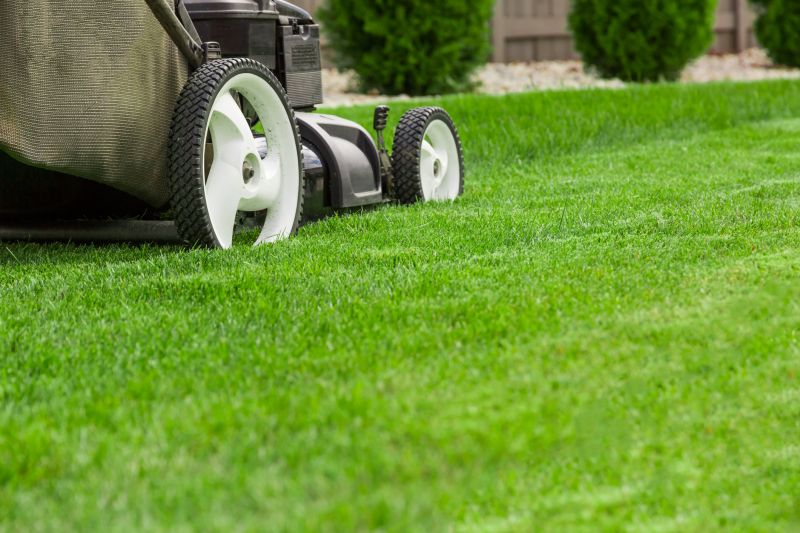
Ways to make Lawn Mowings work in tight or awkward layouts.
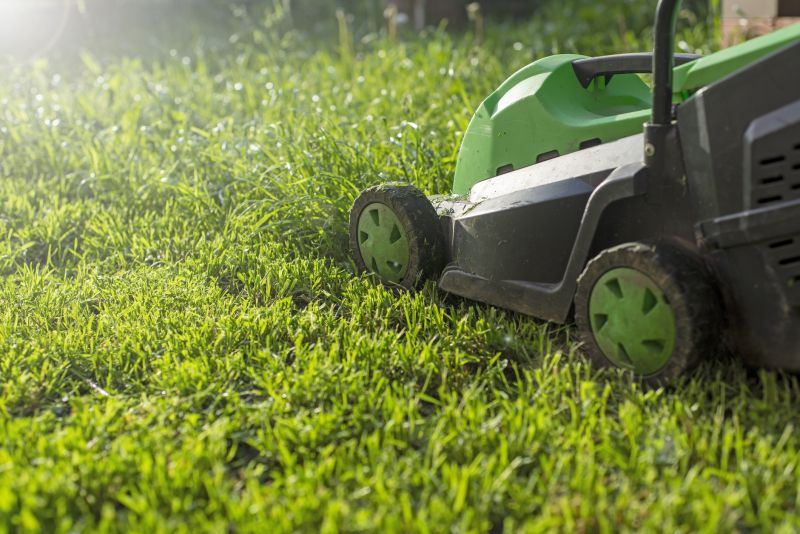
Popular materials for Lawn Mowings and why they hold up over time.
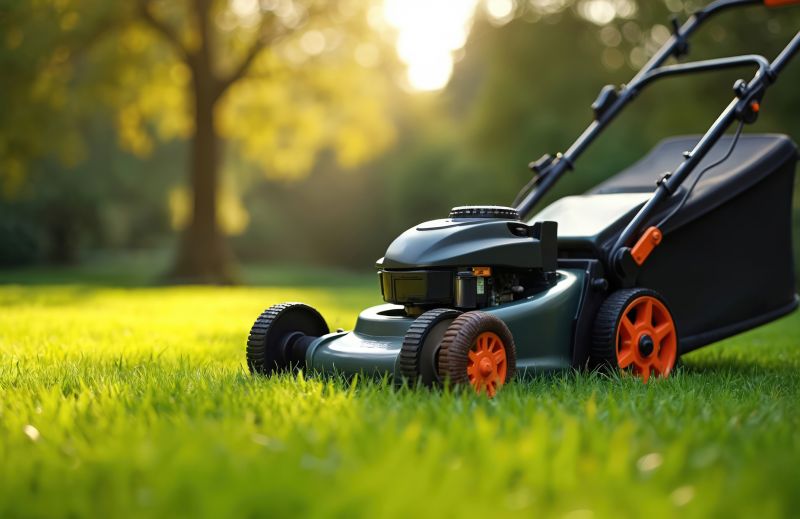
Simple add-ons that improve Lawn Mowings without blowing the budget.
| Season | Recommended Mowing Practice |
|---|---|
| Spring | Mow when grass reaches 3 inches, keep at 2.5-3 inches |
| Summer | Mow weekly, keep at 2.5-3 inches, avoid cutting more than one-third |
| Fall | Reduce frequency, keep grass slightly longer for winter |
| Winter | Minimal mowing or none, avoid frozen or wet ground |